
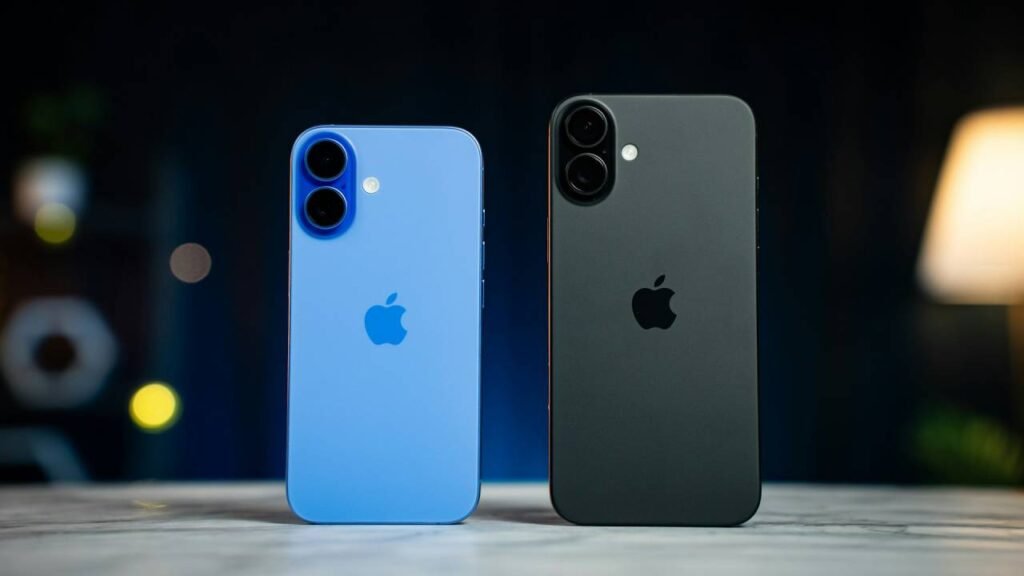
Apple devices have become a core part of modern business operations. Employees rely on iPhones for communication, iPads for mobility, and Macs for productivity. As organizations continue to adopt Apple technology across multiple departments and locations, managing these devices efficiently becomes increasingly important. What starts as a small deployment can quickly grow into hundreds or even thousands of devices, creating new challenges for IT teams.
The Challenges of Managing Devices at Scale
As device fleets expand, organizations often struggle to maintain visibility over their assets. IT teams need to know where devices are located, who is using them, and whether they are functioning properly. Without a centralized management platform, tracking devices, monitoring operational status, and responding to issues can become a time-consuming process that impacts productivity and increases administrative workload.
Why Device Visibility Matters
Maintaining visibility over corporate devices is essential for effective asset management. Organizations need to know where devices are deployed and whether they remain active and operational. Real-time visibility helps businesses locate misplaced devices, monitor assets used by remote employees, and maintain accountability across their device fleet. With better visibility, organizations can make more informed decisions and respond more quickly when issues arise.
The Importance of SIM Monitoring
For businesses that rely on cellular-enabled devices, monitoring SIM information provides an additional layer of visibility. Understanding which SIM cards are installed, monitoring carrier information, and identifying unexpected changes can help organizations maintain control over their devices. This level of oversight is particularly valuable for companies that deploy devices to field teams, remote employees, or multiple locations.
Monitoring Device Health and Operational Status
Device management is not only about knowing where devices are located. Organizations also need to understand how their devices are performing. Devices may become inactive, experience connectivity issues, or encounter operational problems that affect users. By continuously monitoring device health and status, businesses can identify potential issues early and take corrective action before they impact day-to-day operations.
Supporting the Entire Device Lifecycle
Every Apple device goes through multiple stages during its lifespan. Devices are deployed, assigned to users, maintained, repaired, reassigned, and eventually retired. Managing these transitions efficiently helps organizations maximize the value of their investments while reducing operational complexity. A centralized device management platform provides the visibility and control needed to support devices throughout every stage of their lifecycle.
Why Apple-Focused Management Solutions Matter
Organizations that primarily use Apple devices often benefit from solutions built specifically for the Apple ecosystem. Dedicated Apple device management platforms are designed around the unique requirements of iPhone, iPad, and Mac deployments, providing a more streamlined and focused experience. This allows businesses to simplify administration while maintaining the visibility and control needed to support growing device fleets.
Preparing for the Future
As organizations continue to expand their use of Apple technology, effective device management will become increasingly important. Businesses that invest in proper device visibility, monitoring, and lifecycle management are better positioned to improve operational efficiency, strengthen asset accountability, and support future growth. By adopting a centralized Apple device management platform, organizations can gain the tools needed to manage their devices with greater confidence and control.
Conclusion
Apple devices play a critical role in today’s workplace, but managing them at scale requires more than manual processes and spreadsheets. Organizations need visibility into device locations, operational status, and lifecycle activities to ensure their device fleets remain productive and secure. A dedicated Apple device management platform helps simplify these responsibilities, allowing businesses to focus on growth while maintaining complete oversight of their Apple devices.